
Toy Safety & Compliance: Our Commitment to Your Children
Fast Turnaround, Competitive Pricing, 100 MOQ
Let’s be honest: when your bulk container hits customs, marketing stories don’t matter. Only hard data does.
Look, we get how the international plush market works. Anyone can sew a beautiful, fluffy sample in a clean showroom. But when you are shipping tens of thousands of custom plushies to retail hubs or Amazon warehouses in Europe and the US, the paperwork and the product have to be bulletproof. Overseas customs, strict safety inspectors, and major retail buyers don’t care about vague promises—they only look at lab reports.
Your custom character isn’t just fabric and stuffing; it’s your brand’s reputation, your money, and ultimately, a toy that a child is going to sleep with. We refuse to let your investment get held up or seized at a port because some budget workshop cut corners on material compliance. For thirty years, we’ve run our manufacturing facility by a very simple rule: we build toys that smash through the toughest safety barriers on earth. Here is exactly how we handle compliance on our shop floor, day in and day out:
Cracking the European Code: What Our EN71 & CE Marks Actually Mean
If your target market is the EU, your toys have to survive the EN71 gauntlet. We don’t just slap a generic CE sticker on our export boxes and hope nobody notices. We source every single roll of fabric and embroidery thread to meet these specific European chapters, and we test them regularly in accredited third-party labs (like SGS or ITS):
Beating the US Customs: Passing ASTM F963 & CPSIA Rules
The US Consumer Product Safety Commission (CPSC) plays by a completely different set of ironclad rules. If an American inspector pulls your plushie from a shipping container, we make sure your goods slide right through clearance without a single red flag:
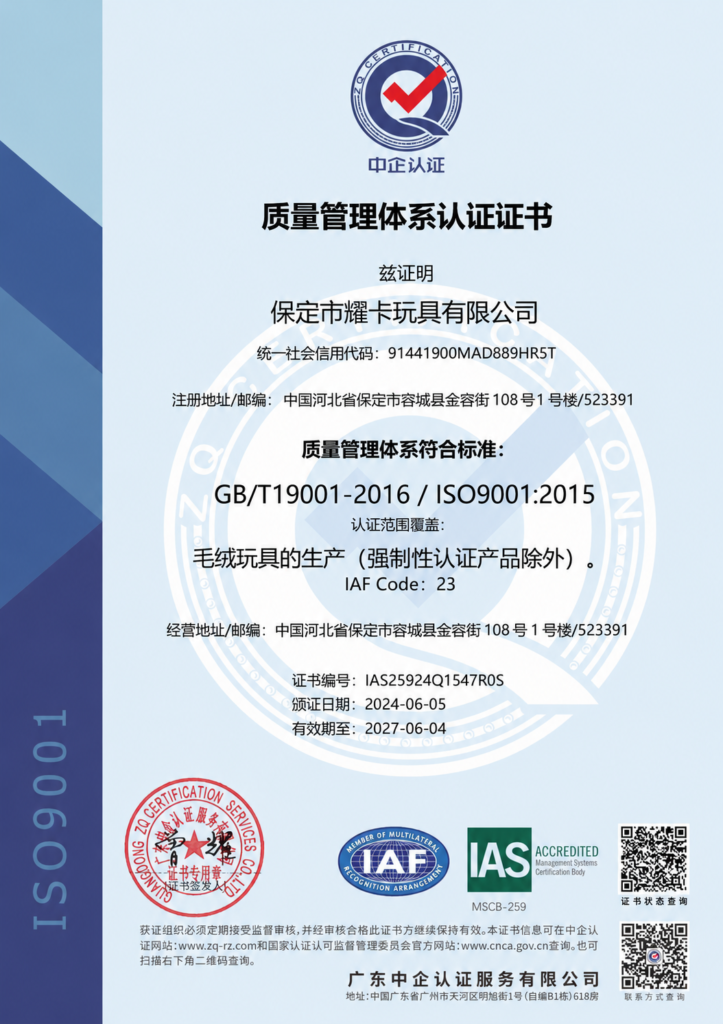
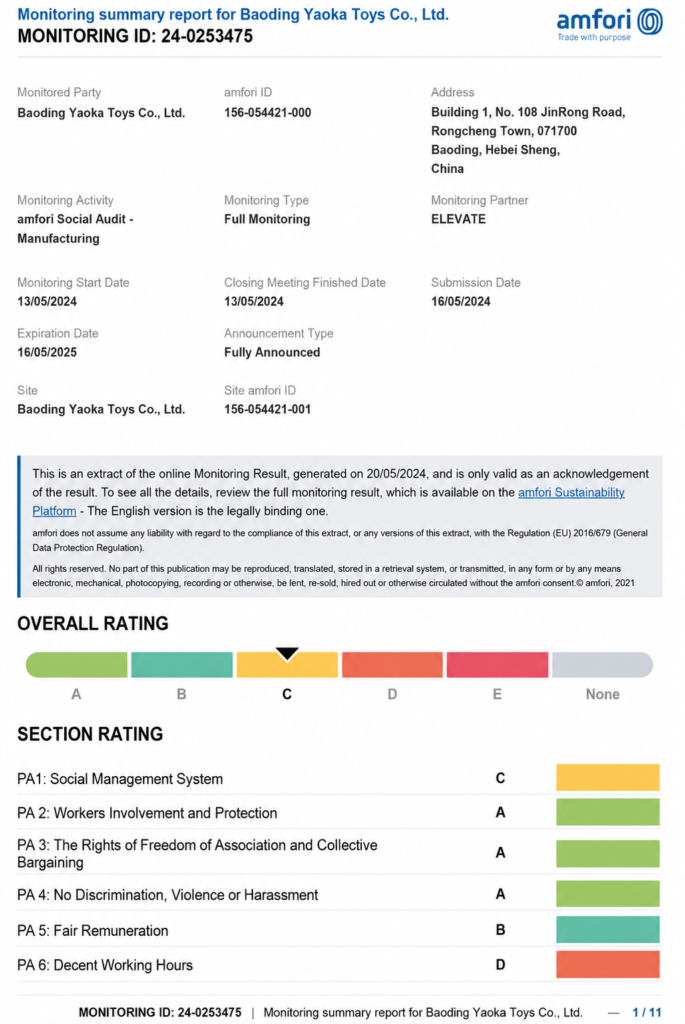
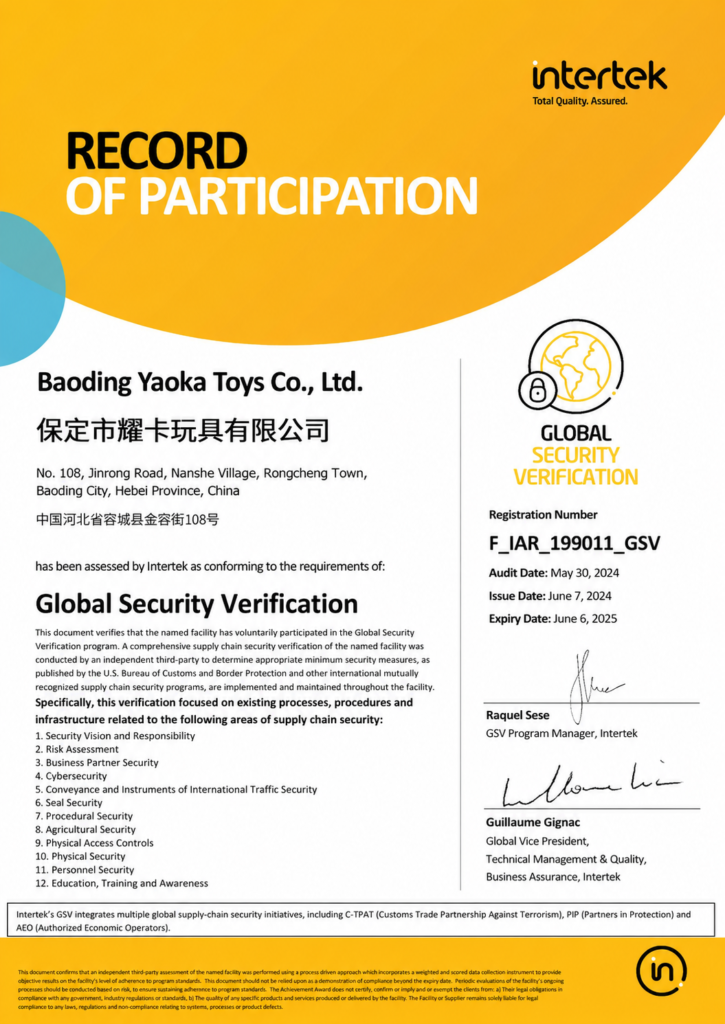
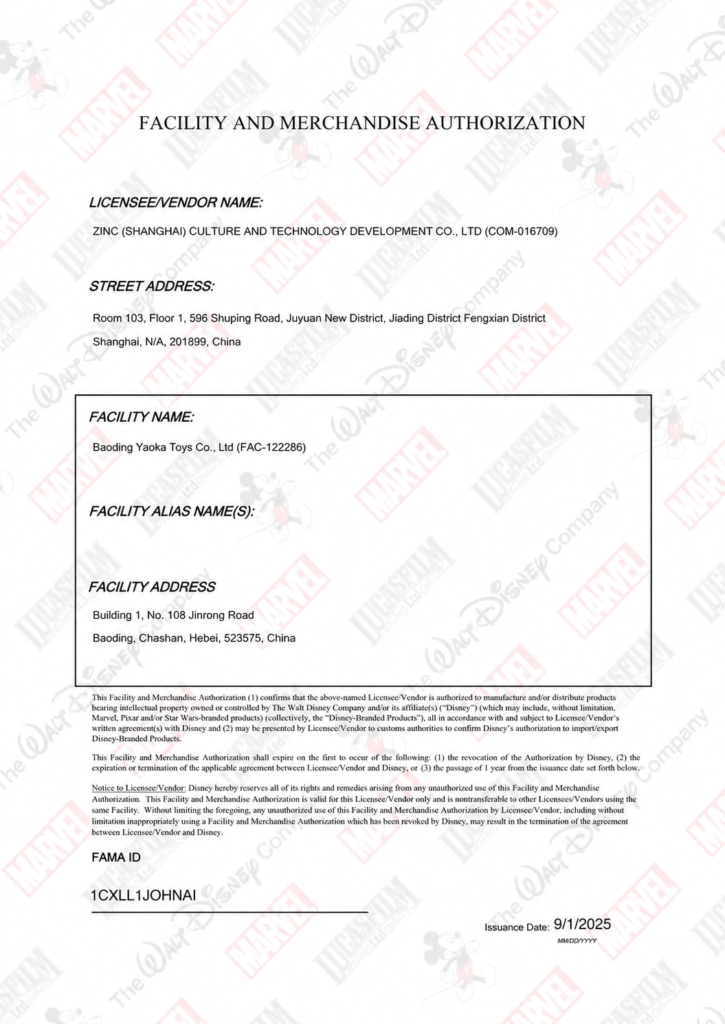
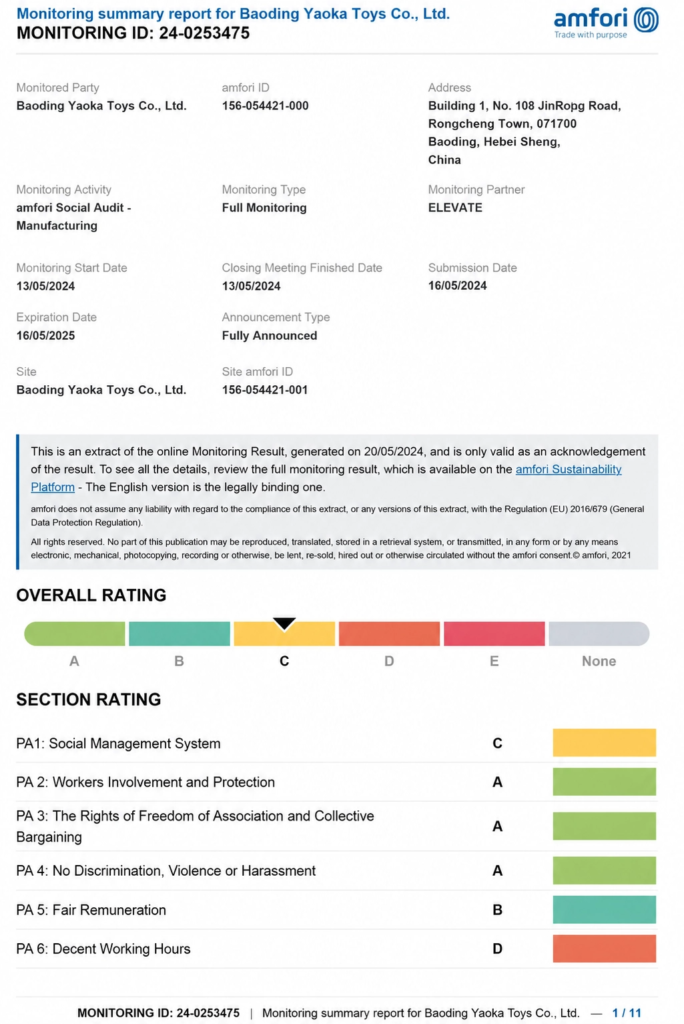
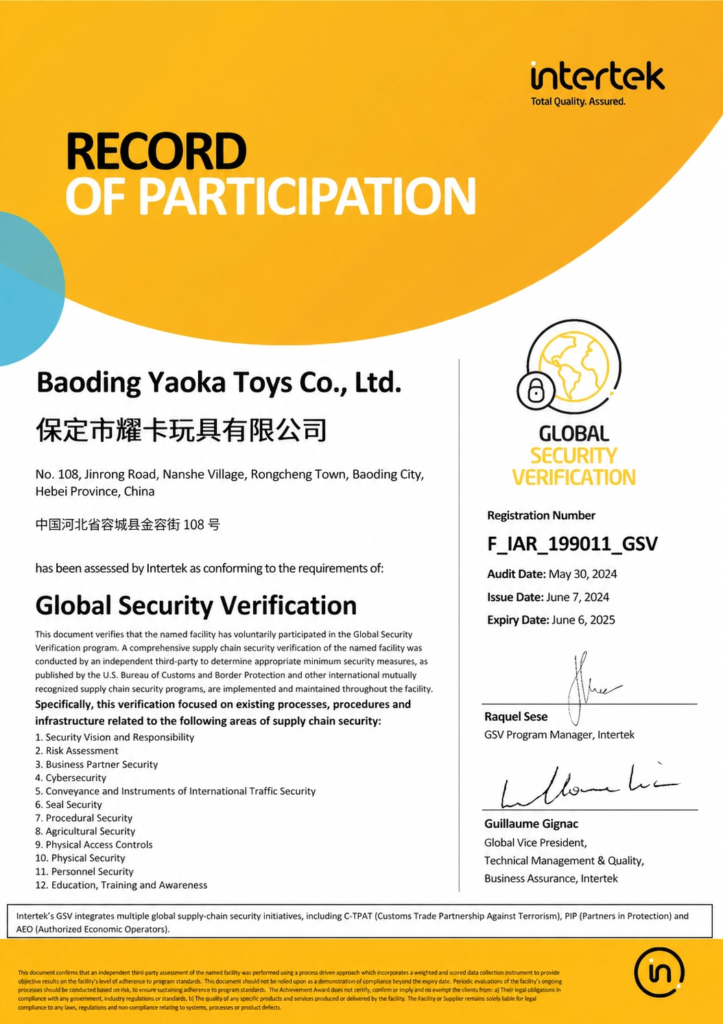
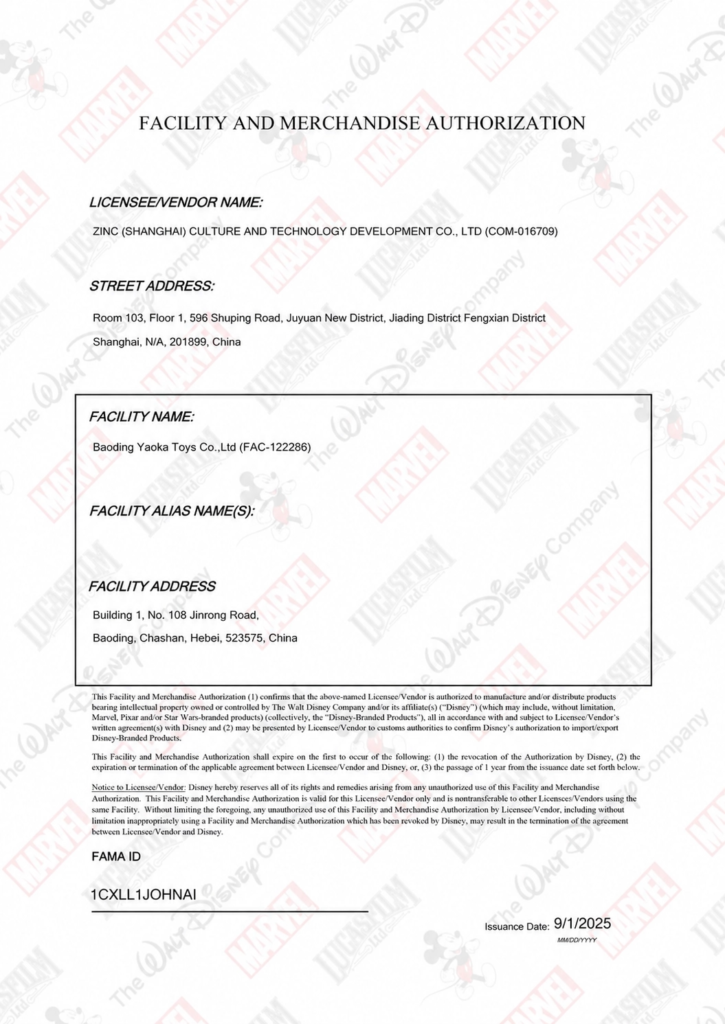
The Factory Floor Reality: Open Doors and Ethical Audits
Lab certificates are great, but the actual environment where your toys are sewn matters just as much to high-end brands and gaming studios. You need to know your manufacturing partner runs a legitimate, ethical enterprise. Our 5,000-square-meter facility is completely open and transparent:
The Final Gate: Our Mandatory Two-Stage Needle Detection Line
Look, people talk a lot about paperwork, but when you are running an industrial sewing floor, machines break needles all the time. That is just part of the job. But if a factory worker accidentally misses a broken needle piece and lets it slip into a packing box? That is a nightmare that will absolutely kill your business.
We don’t leave this to human eyes or a quick feel by hand. Once a toy is totally stuffed and stitched shut, it has to lie flat on a conveyor belt and roll through two back-to-back industrial metal detection tunnels. These magnetic scanners go through every single layer of the toy. If there is a stray needle fragment or metal shaving down to a fraction of a millimeter inside, the belt stops dead, a red light flashes, and that specific toy gets yanked out of the batch immediately. There is no second guess or “good enough” here. By the time our containers show up at your warehouse door, you know every single piece inside is 100% clean and safe.