
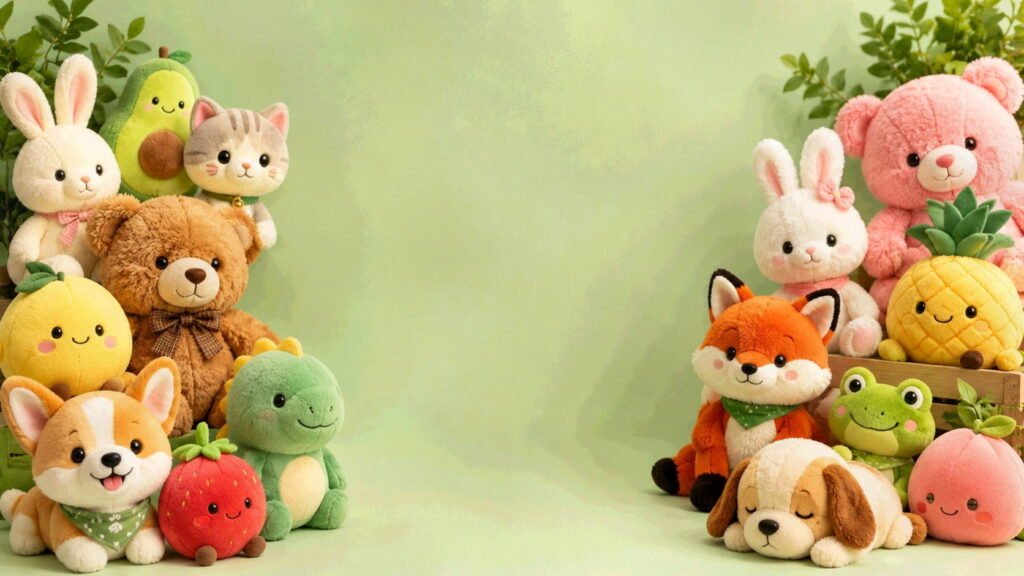
Design Your Own Stuffed Animal
Have an idea but not a finished plush design? Send us your sketch, logo, or character concept, and we’ll help shape it into a stuffed animal ready for sampling and production.
How Our Design Service Works
Our design service usually starts with whatever you already have — an idea, a sketch, a logo, a character drawing, or even just a few reference photos. You do not need a perfect production file at the beginning.
| Step 1: Send Us Your Idea You can send us a sketch, logo, character drawing, product photo, reference image, or just a simple idea. It does not need to be a finished production file. | Step 2: Design Review We review the character shape, size, colors, fabric, filling, details, and final use. At this stage, we also check what can be made easily and what may need to be adjusted. | Step 3: Material and Structure Suggestions We suggest suitable fabrics, fillings, embroidery, printing, accessories, and packaging based on your budget, target market, and product purpose. | Step 4: Pattern Making Once the design direction is clear, we create the plush pattern. This step turns the flat design into a real stuffed animal structure. | Step 5: Sample Production We make the first sample so you can see the actual shape, softness, fabric, color, embroidery, and size. |
| Step 6: Sample Review and Revision You review the sample and tell us what needs to be changed. We can adjust the face, body shape, fabric, colors, filling, details, or packaging before bulk production. | Step 7: Final Sample Approval After the sample looks right, you approve the final version. This approved sample becomes the standard for production. | Step 8: Bulk Production We produce the stuffed animals according to the approved sample, confirmed materials, labels, packaging, and order quantity. | Step 9: Quality Inspection Before shipping, we check the shape, stitching, filling, embroidery, labels, packaging, and overall consistency. | Step 10: Packing and Shipping The finished stuffed animals are packed according to your requirements and prepared for delivery. |
What We Consider When Designing Your Stuffed Animal
A good stuffed animal is not only about how it looks. We also look at safety, fabric feel, durability, filling, cost, and how the toy will actually be used.
| Safety We review the fabric, filling, small parts, and structure based on the target market and user age. For children’s plush toys, safety standards such as EN71, ASTM, or CPSIA can be considered according to your market requirements. | Fabric Choice Different plush toys need different fabrics. A baby comfort toy, a pet plush toy, a large mascot plush, and a low-cost promotional plush should not use the same material. We help choose the fabric based on softness, durability, appearance, and budget. | Filling and Shape Filling affects how the plush feels, sits, holds its shape, and stays full after use. We suggest suitable filling options such as PP cotton, high-elastic fiberfill, microfiber filling, pellets, foam, or special inserts depending on the design. | Comfort and Softness For toys meant to be hugged, carried, or used by children, softness matters a lot. We look at the surface feel, filling density, and overall hand feel so the final plush is comfortable, not stiff or flat. |
| Durability For retail plush, pet plush toys, large plush, or promotional products, durability needs to be considered early. We check the fabric strength, stitching method, seam position, and whether small parts need reinforcement. | Color and Detail Accuracy We pay attention to the original artwork, brand colors, embroidery, printed details, facial expression, and character features. The goal is to keep the plush close to the original design while still making it practical for production. | Cleaning and Maintenance Some plush toys need to be easier to clean, especially baby toys, pet toys, pillows, and frequently handled products. We can suggest washable fabrics, simpler structures, or fewer delicate parts when needed. | Cost and Production Efficiency A beautiful design still needs to fit the project budget and production plan. We help adjust fabric, size, structure, embroidery, filling, accessories, and packaging so the plush can be sampled and produced at a realistic cost. |
Fabric Choices
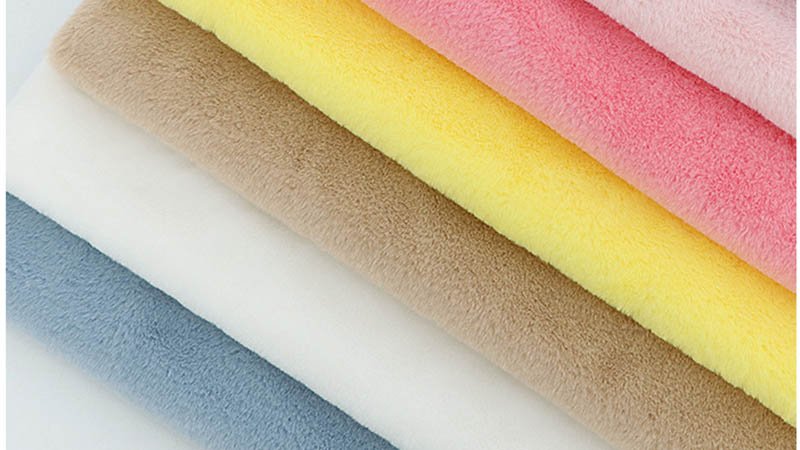
Short Plush
A short-pile plush fabric with a clean surface, commonly used for custom plush toys.
| Pros Stable cost, easy to cut and sew, suitable for bulk production. | Cons Not as soft or premium as super soft plush fabrics. |
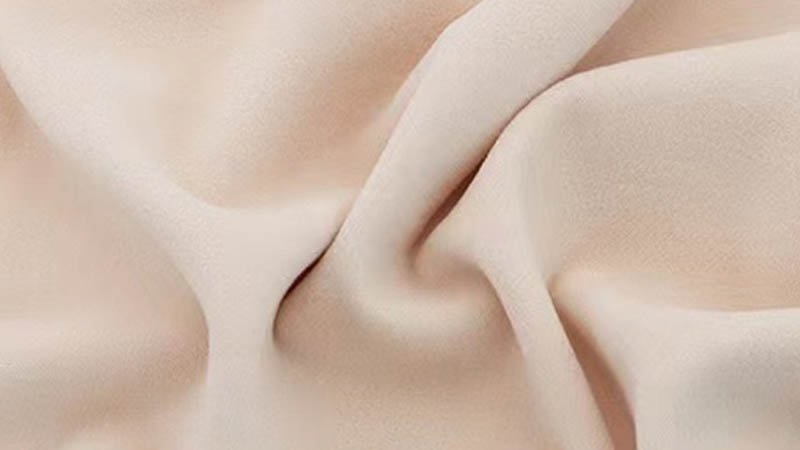
Velboa
A smooth, short-pile fabric often used for cost-sensitive plush projects.
| Pros Lower cost, clean surface, good for simple designs and bulk orders. | Cons Less soft and less premium-looking than PV plush or super soft plush. |
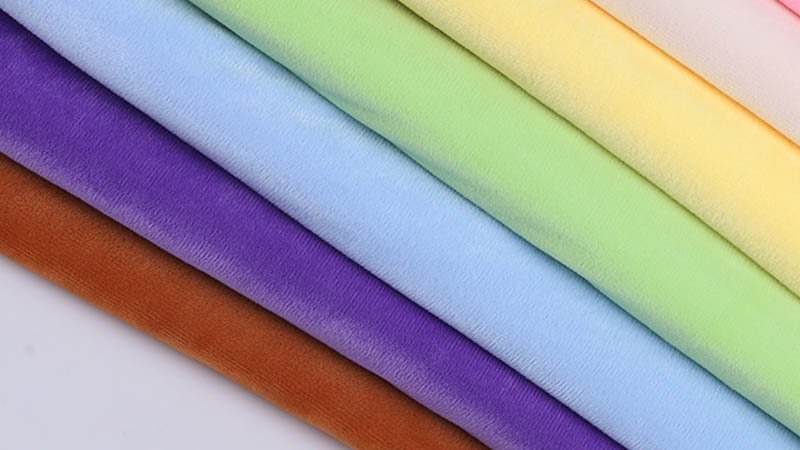
Crystal Super Soft Plush
A smooth, soft plush fabric with a slight sheen.
| Pros Smooth touch, cute visual effect, suitable for gift plush products. | Cons Surface can isslippery, and shape support may be weaker for some designs. |
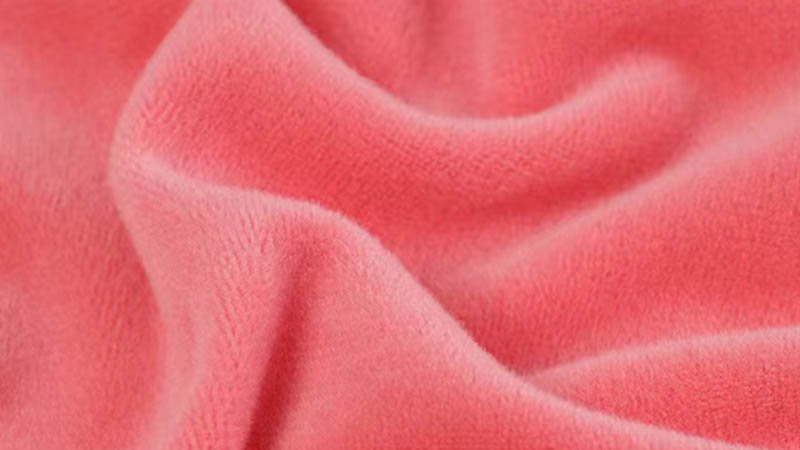
Super Soft Plush
Softer and smoother than regular short plush, often used for mid- to high-end plush products.
| Pros Skin-friendly, premium hand feel, helps improve product quality | Cons Higher cost than regular short plush; color and fabric weight need control in bulk production. |
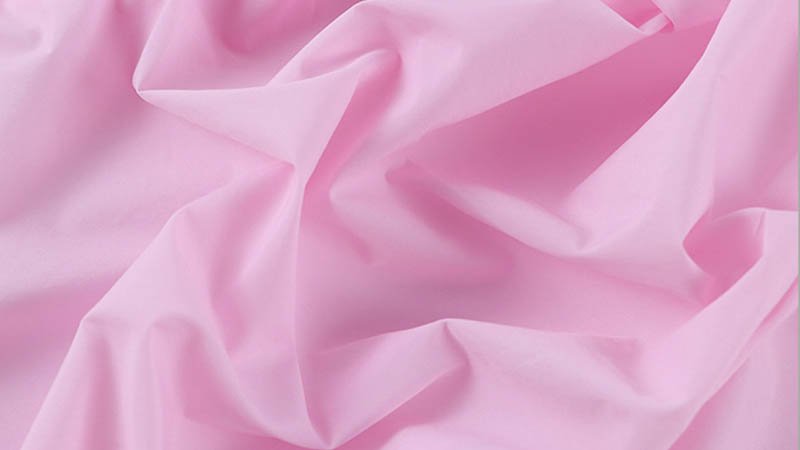
Minky Fabric
An extremely soft fabric often used for baby products and comfort plush.
| Pros Very soft and gentle, suitable for baby cuddle and comfort products. | Cons Soft structure may not work well for complex or shape-supported designs. |
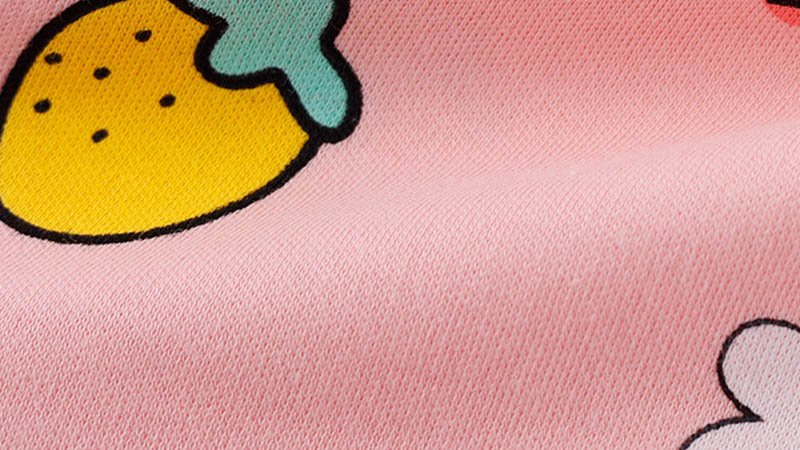
Organic Cotton
A natural cotton fabric suitable for eco-friendly and baby-focused products.
| Pros Natural feel, skin-friendly, good for eco-focused brand stories. | Cons:Higher cost, fewer color options, not always suitable for complex shapes. |
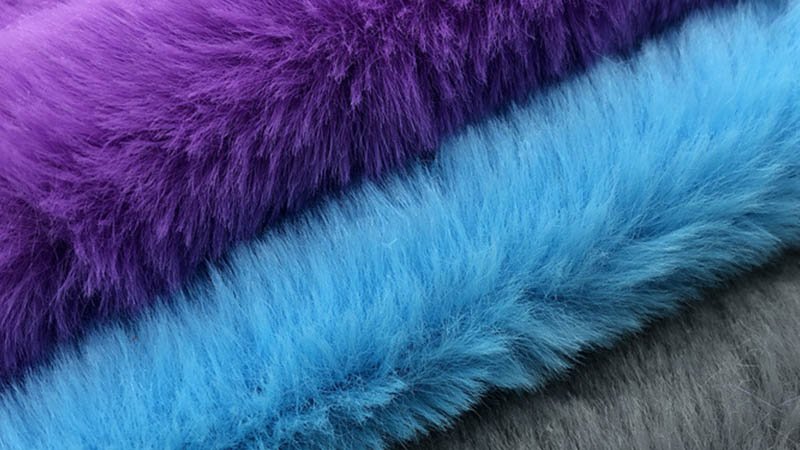
Long Plush
A long-pile plush fabric that creates a fluffy and full fur look.
| Pros Rich fur texture, good for animal fur and soft chunky designs. | Cons Can cover embroidery and small details; cutting and sewing require more care. |
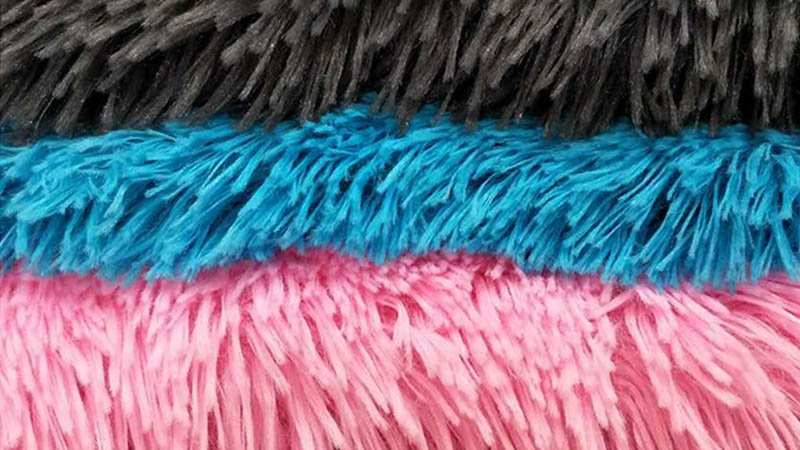
PV Plush
A smooth and soft pile fabric often used for mid- to high-end animal and character plush.
| Pros Soft touch, premium appearance, suitable for retail plush toys. | Cons Higher cost; pile direction and color consistency need control in bulk orders |
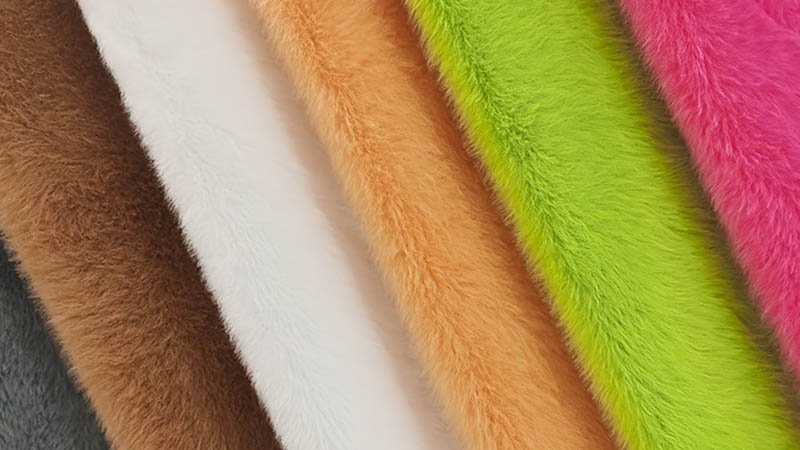
Faux Fur
A fur-like fabric with a strong texture, suitable for realistic animals, monsters, or display plush.
| Pros Strong visual impact, good for special characters and oversized plush. | Cons Higher cost; shedding, pile direction, and covered details need careful control. |
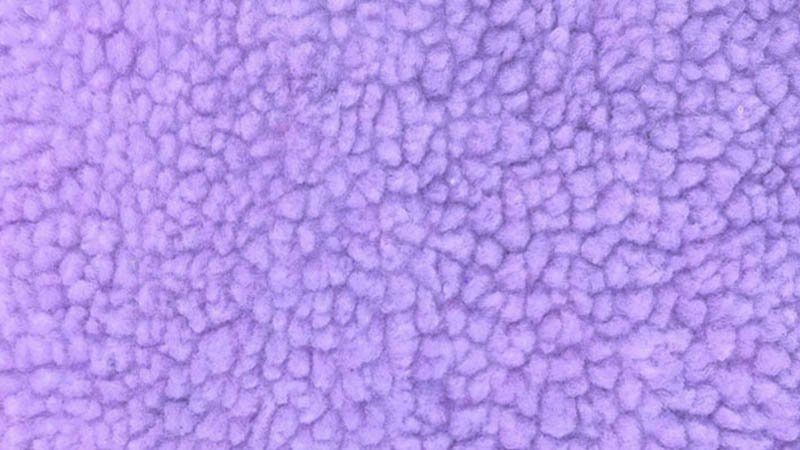
Sherpa Fleece
A curly, fluffy fabric with a warm and cozy look.
| Pros Fluffy and cozy, great for winter, Christmas, and cute-style plush. | Cons Fine details may not show clearly; thicker surface and slightly harder to clean. |
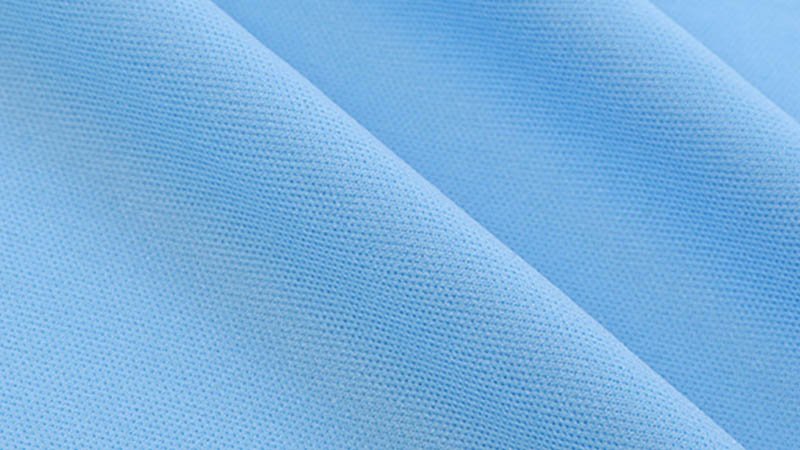
Knitted Fabric
A clothing-like fabric with some stretch.
| Pros Good for doll outfits, hats, scarves, and soft clothing details. | Cons Stretch may cause shape distortion; pattern control is important if used as main fabric. |
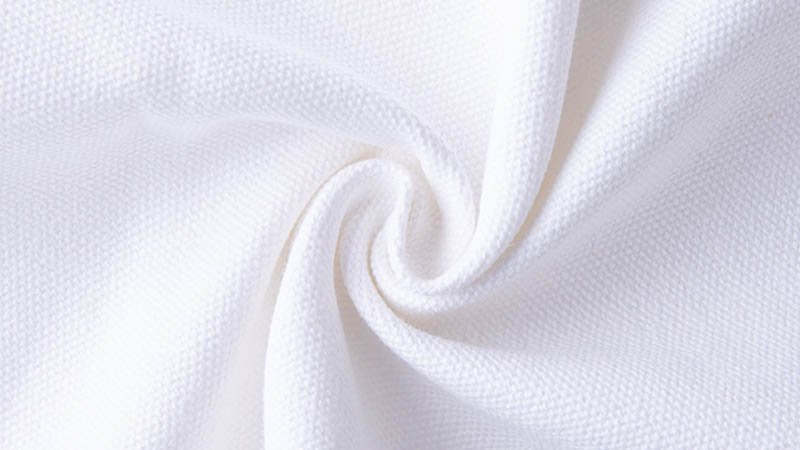
Cotton Fabric
Natural and breathable, good for clothing and vintage-style details.
| Pros Natural texture, suitable for outfits and small accessories. | Cons Not plushy or very soft; not ideal for most plush bodies. |
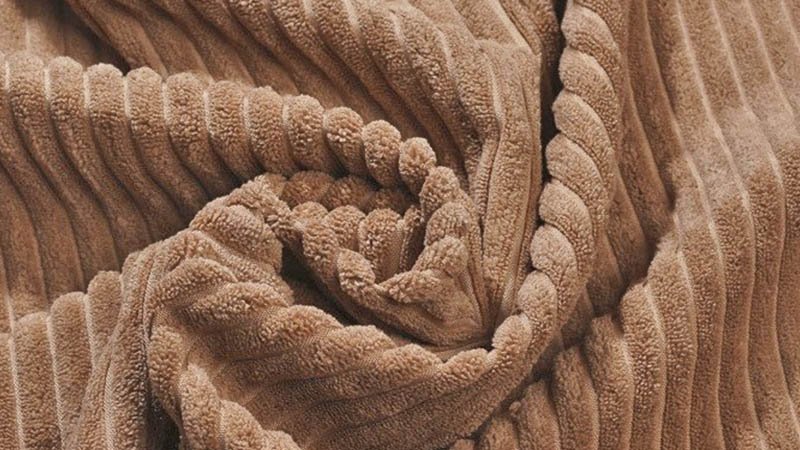
Corduroy
A ribbed fabric with a vintage and textured look.
| Pros Strong ribbed texture, durable feel, distinctive style. | Cons Style is more specific; rib direction needs alignment. |
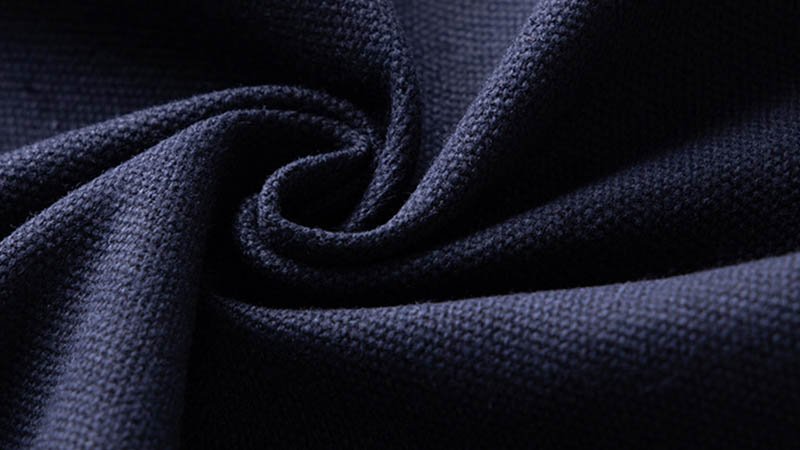
Canvas
A strong and durable fabric often used for pet toys or reinforced parts.
| Pros Durable and structured, good for stronger products. | Cons Feels harder, not suitable for baby comfort toys or soft gift plush. |
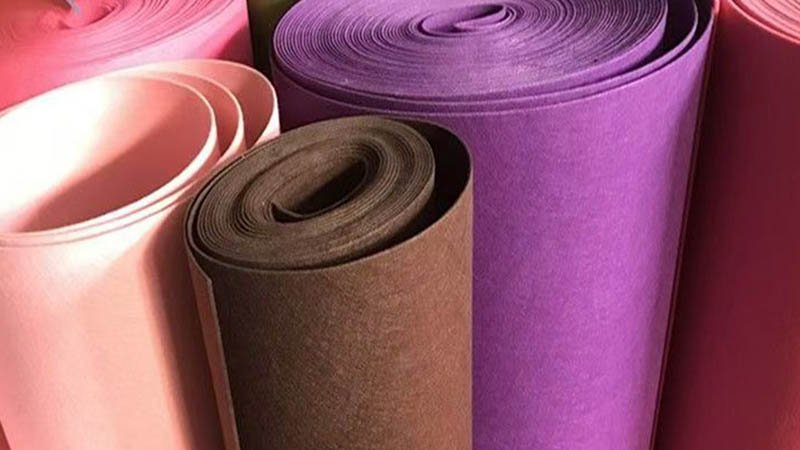
Felt
A firm, easy-to-cut fabric often used for appliqué and decoration.
| Pros Low cost, easy to cut, suitable for small decorative parts. | Cons Less durable; edges may fuzz over time, not ideal for premium long-use details. |
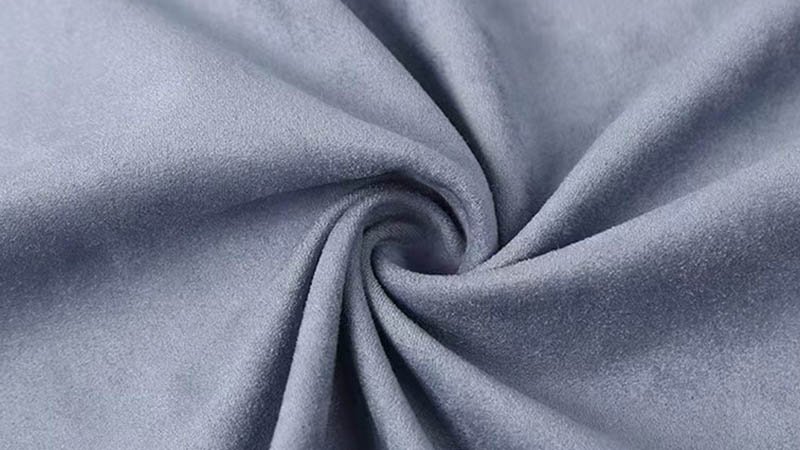
Suede Fabric
A soft, fine-textured fabric with a suede-like surface.
| Pros Fine texture, good for noses, paw pads, inner ears, and premium details. | Cons Not suitable for large body panels; more expensive than basic fabrics. |
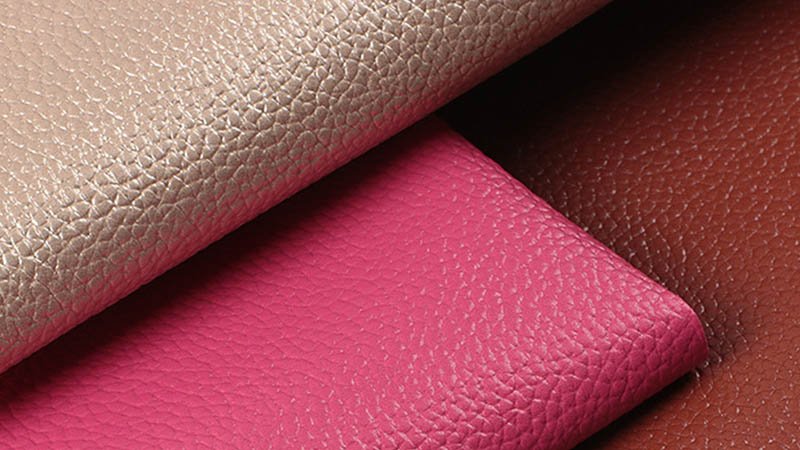
PU Leather
A leather-like material used for shoes, bags, belts, and accessories.
| Pros Strong visual effect, good for character outfits and decorative parts. | Cons Less soft; may crack with folding or long-term use if quality is poor. |
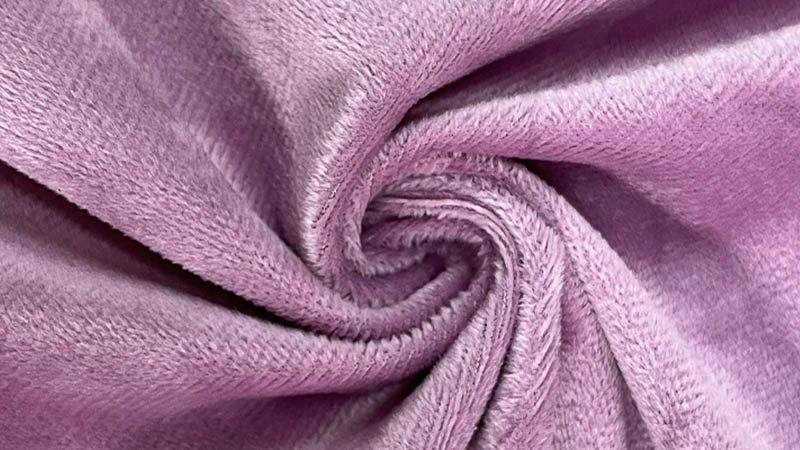
Recycled Polyester Plush
Made from recycled polyester, suitable for sustainable and eco-themed products
| Pros Good for eco-themed collections and sustainable brand stories. | Cons May cost more; color, fabric weight, and lead time should be confirmed early |
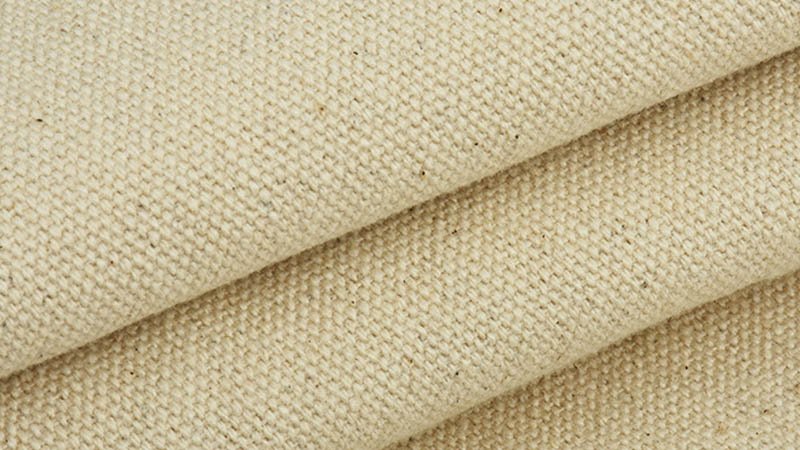
Organic Cotton
A natural cotton fabric suitable for baby, natural, and eco-friendly products.
| Pros Natural feel, skin-friendly, suitable for premium eco-positioning | Cons Higher cost, fewer color options, not always suitable for complex shapes. |
Stuffing Materials Options
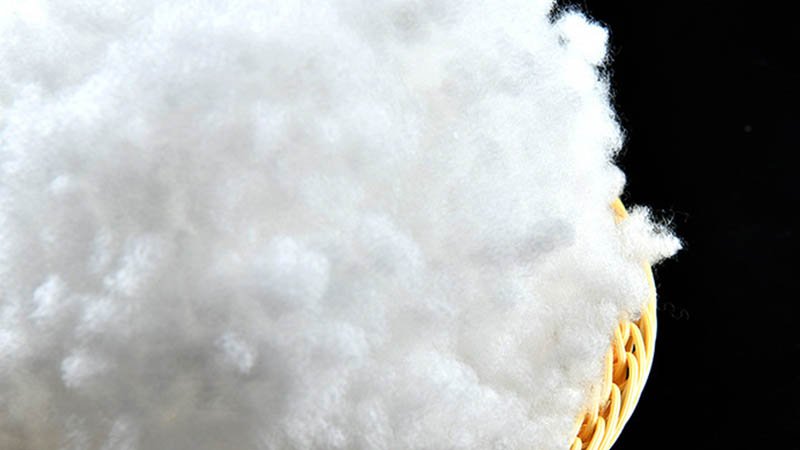
Polyester Fiberfill
The most common filling for plush toys, soft and fluffy for general use.
| Pros Stable cost, soft, lightweight, and suitable for bulk production. | Cons May flatten slightly over time; filling amount needs proper control. |
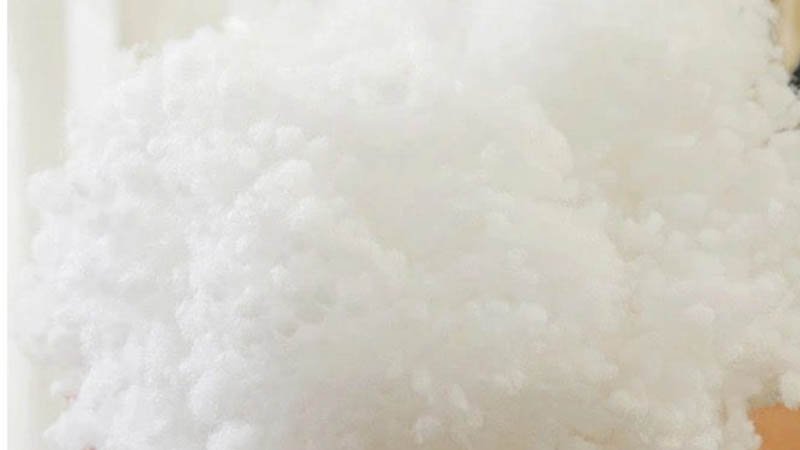
High-Elastic Polyester Fiberfill
A higher-resilience polyester filling with better bounce and fullness.
| Pros Better resilience, stronger support, less likely to flatten. | Cons Higher cost than regular polyester fiberfill. |
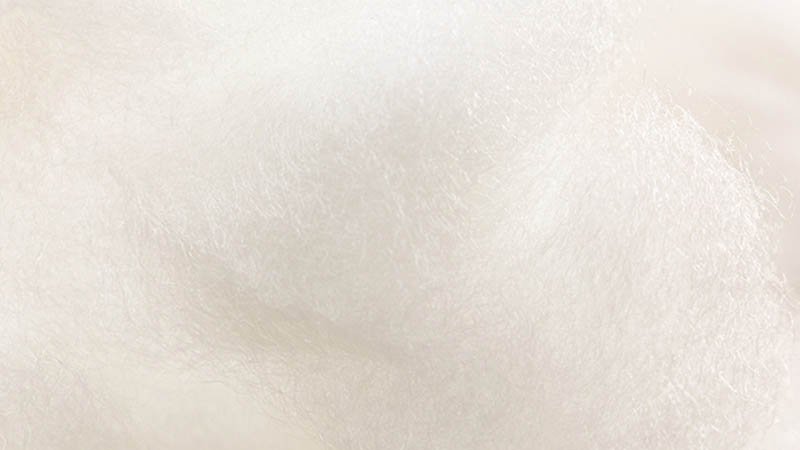
Microfiber Filling
A finer fiber filling with a smoother and more even hand feel.
| Pros Soft, smooth, evenly filled, good for premium products. | Cons Higher cost; bulk filling consistency needs control. |
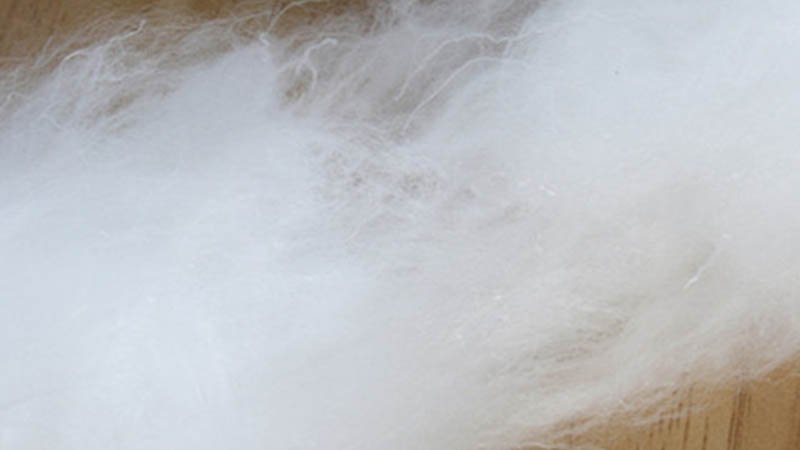
Down Cotton
A very soft filling often used for floppy plush and cushions.
| Pros Soft, fluffy, and comfortable, good for floppy plush designs | Cons Weaker support, not ideal for plush that needs a firm standing shape. |
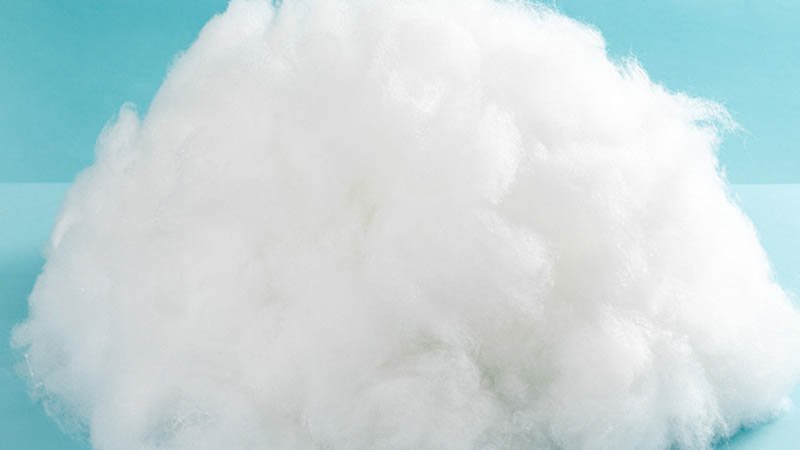
Recycled Polyester Filling
Made from recycled polyester fibers, suitable for eco-themed plush products.
| Pros Supports eco-friendly positioning and sustainable brand collections. | Cons Cost and supply stability need to be confirmed in advance. |
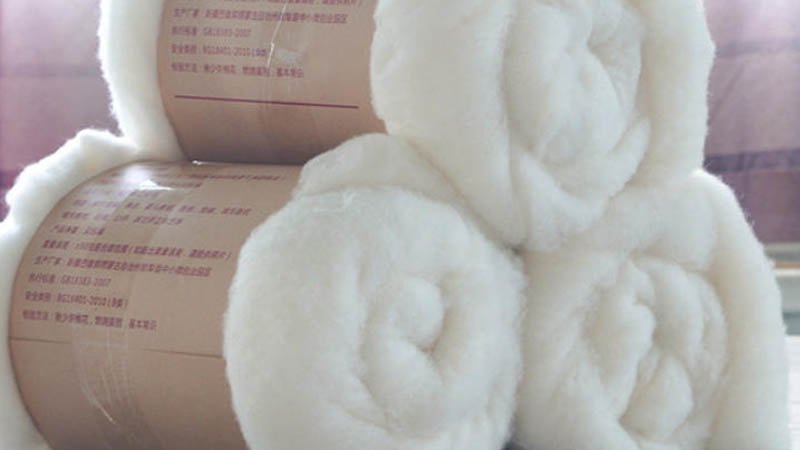
Cotton Filling
Natural cotton filling, suitable for vintage or natural-style plush products.
| Pros Natural feel, good for eco or traditional product positioning. | Cons Less resilient than polyester fiberfill, may clump, and is less stable in bulk production. |
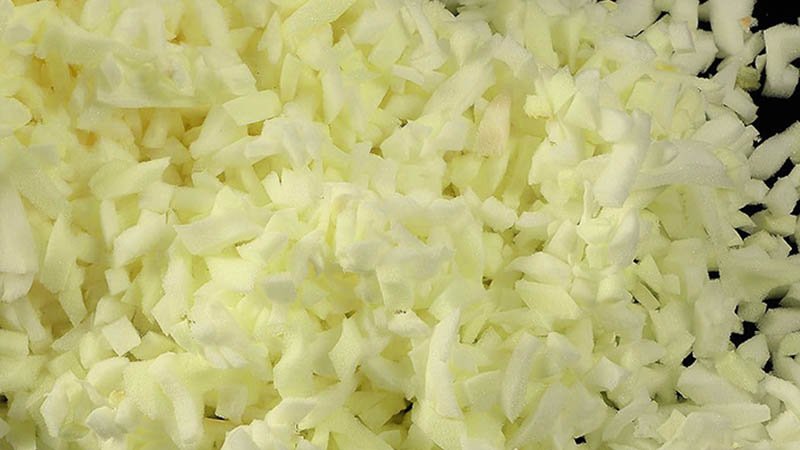
Foam Pieces
Made of shredded foam pieces, giving the product more support.
| Pros Good support, suitable for larger products. | Cons Less smooth than polyester fiberfill, not ideal for small detailed plush toys. |
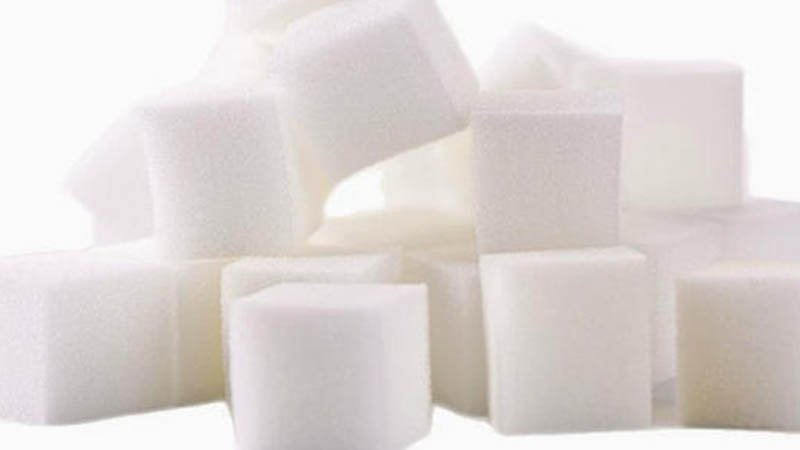
Memory Foam
A slow-rebound foam often used for cushions and premium comfort products.
| Pros Good support, comfortable, and less likely to collapse completely | Cons Higher cost and heavier weight, not suitable for standard plush toys. |
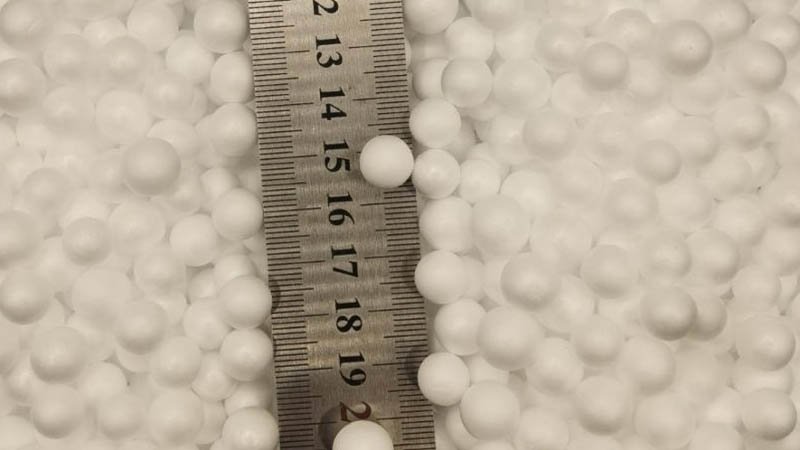
EPS Beads
Lightweight small foam beads often used for bean bags and soft products.
| Pros Lightweight, flexible, and gives a flowing feel. | Cons Small beads can create safety risks; inner lining and strong seams are required. |
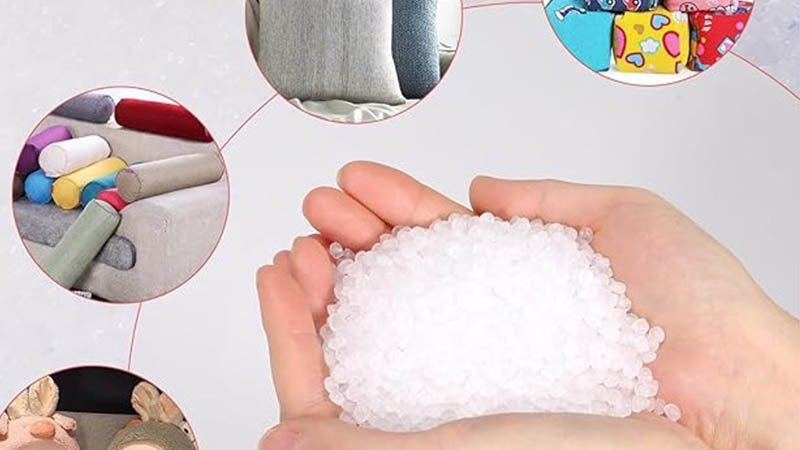
Plastic Pellets
Often used as weighted filling to help plush toys sit more steadily.
| Pros Adds weight and stability, good for sitting plush toys. | Cons Not suitable for baby products; pellets must be securely sealed. |
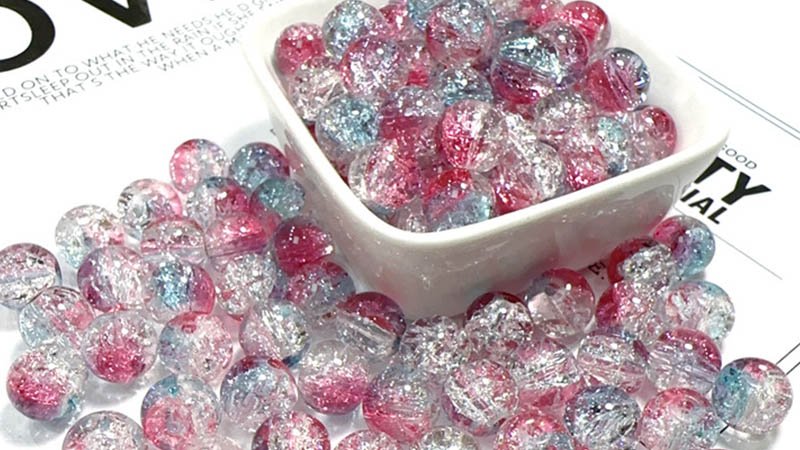
Glass Beads
Heavier beads often used for weighted plush or comfort products.
| Pros Stable weight distribution, heavier hand feel, suitable for weighted products. | Cons Higher cost and stricter safety requirements, not suitable for all age groups. |
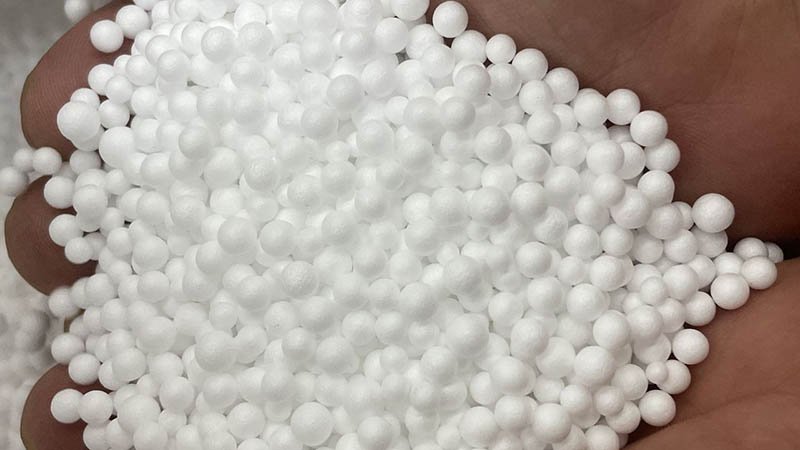
Bean Bag Filling
A bead-like filling with a distinct bean-bag feel, used for floppy plush and lounge products
| Pros Fun hand feel, suitable for soft and relaxed shapes. | Cons Small particle risk is higher, so an inner bag is needed. |
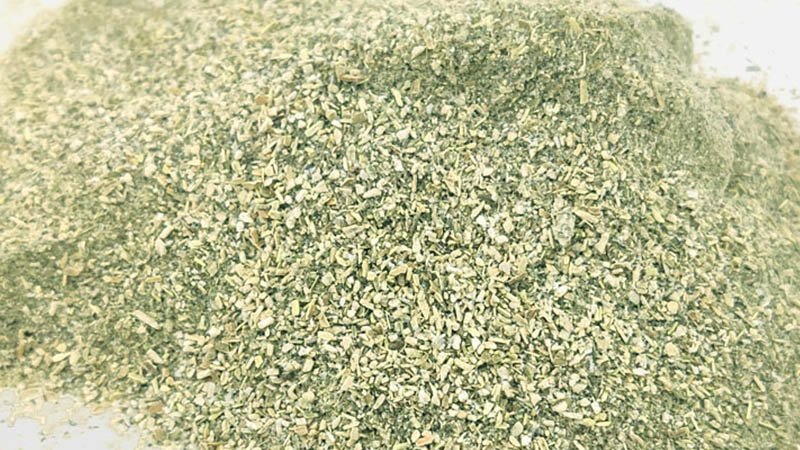
Catnip Filling
Used in cat toys to attract cats for pouncing, biting, kicking, and playing.
| Pros Increases cat interest, good for interactive cat toys. | Cons Only suitable for cat toys; scent strength and filling amount need control. |
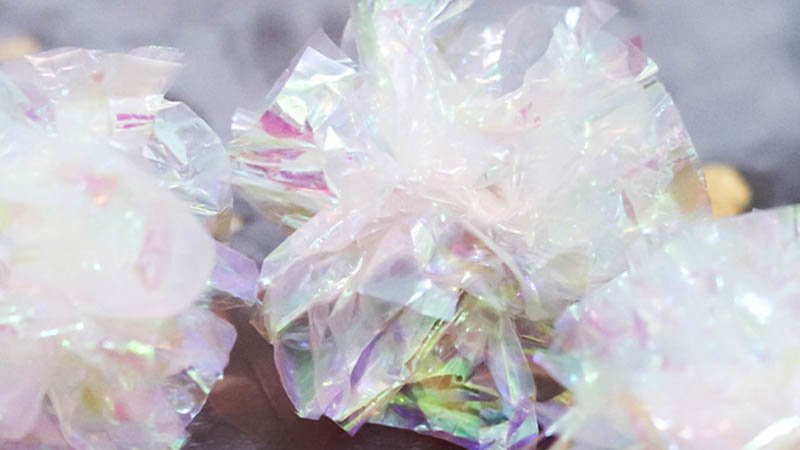
Crinkle Paper
Makes a crinkly sound when squeezed, often used in pet toys and sensory toys.
| Pros Strong sound feedback, adds interactive value. | Cons Sound level and placement need control; not suitable for every product. |
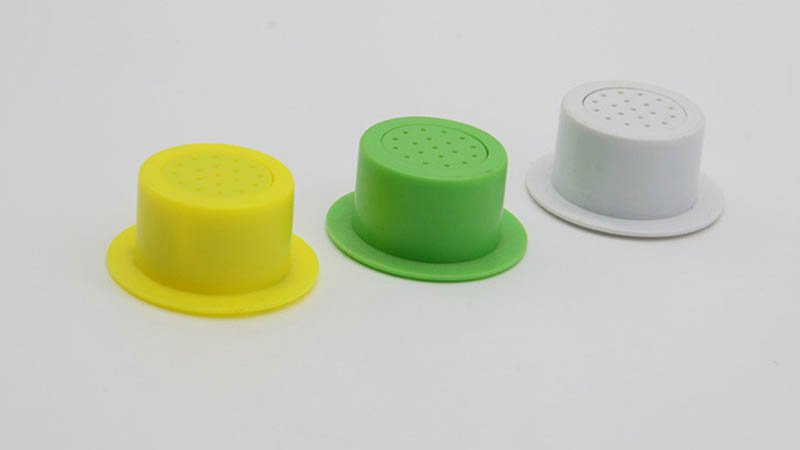
Squeaker
A sound insert that squeaks when pressed, commonly used in plush dog toys.
| Pros Attracts dogs and adds fun interaction. | Cons A small component that must be well covered and secured. |
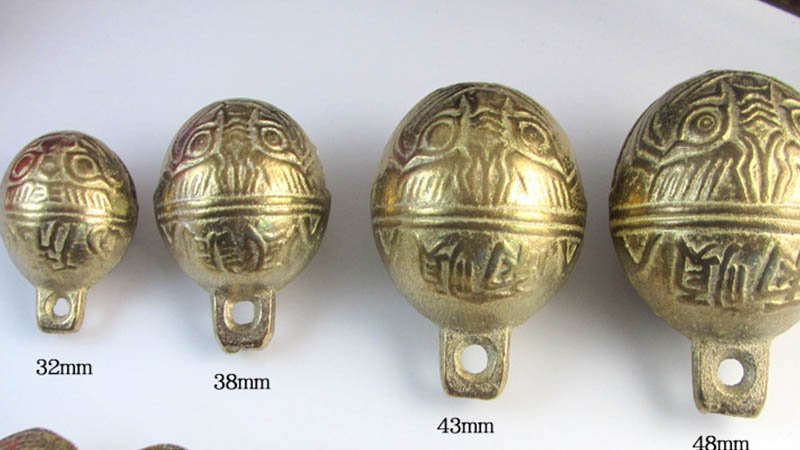
Rattle Insert
Makes a gentle rattling sound when shaken, often used in baby sensory toys.
| Pros Adds sound interaction, suitable for baby toys. | Cons Must meet baby safety requirements and be securely enclosed. |
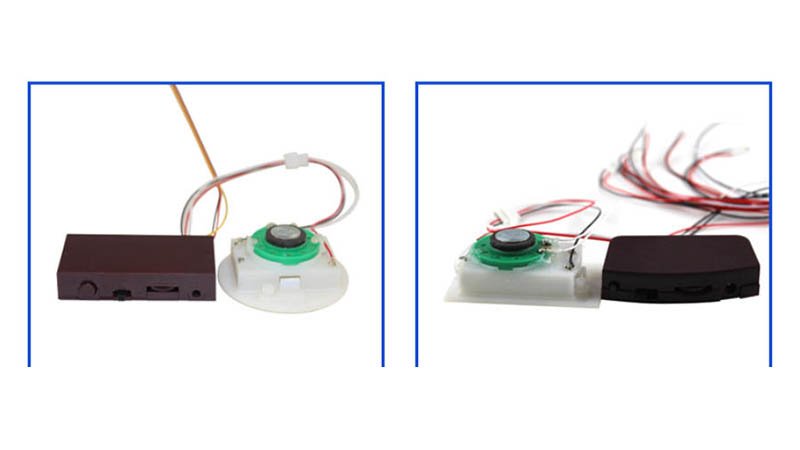
LED or Electronic Module
Used for light, music, or simple interaction, often in seasonal or promotional plush.
| Pros Strong visual appeal, good for seasonal and event products. | Cons Higher cost; battery, wiring, safety, and testing must be considered. |
Custom Stuffed Animal Design FAQ
Q01: Can you help develop a production-ready plush toy from a rough sketch or text idea?
A: Yes. Our internal pattern division specializes in translating raw concepts, front-view sketches, or 2D corporate mascots into dimensionally accurate 3D plush layouts. We handle all required engineering modifications manually during layout mapping—including re-calculating center-of-gravity distribution for stable postures and converting impossible graphic angles into realistic fabric seam allowances.
Q02: Is it possible to audit a physical plush prototype before committing to bulk production?
A: Yes, a physical counter-sample is a mandatory quality checkpoint before releasing patterns to the cutting floor. We construct a pre-production prototype using your exact specified fabric weights, customized embroidery lines, and accessory integrations. This allows your team to thoroughly audit hand-feel, exact scaling, and silhouette fidelity prior to volume tooling.
Q03: What technical files, fabric parameters, and sorting options do you support?
A: For immediate factory routing, please submit your designs in vector .AI, .PSD, .PDF, or .DXF formats. Our engineering team assists in optimizing production efficiency by matching your target price points with premier textile weights—such as ultra-soft crystal velour, short minky, or GRS-certified eco-friendly RPET fleece—combined with multi-needle industrial embroidery or high-definition digital textile printing.
Q04: What is the factory MOQ and standard timeline for custom plush manufacturing?
A: Our manufacturing baseline starts at 1,000 pieces per design for custom fabric patterns, with flexible tier runs starting at 500 pieces utilizing our stock factory material catalog. Technical blueprint mapping requires 2 to 3 days, physical sample tailoring takes 7 to 10 days, and full bulk factory floor assembly and final quality control packaging require 25 to 30 days following prototype approval.
Q05: Can your factory handle commercial retail packaging and international safety compliance?
A: Yes. We provide full turnkey retail packaging—including custom-woven satin wash tags, barcode card hangtags, and protective polybags with localized suffocation warnings. Furthermore, we use certified non-toxic, saliva-resistant materials and coordinate directly with third-party testing laboratories (SGS, Intertek, or BV) to run verified compliance testing against EN71, ASTM F963, and CPSIA standards.